Talk before you write
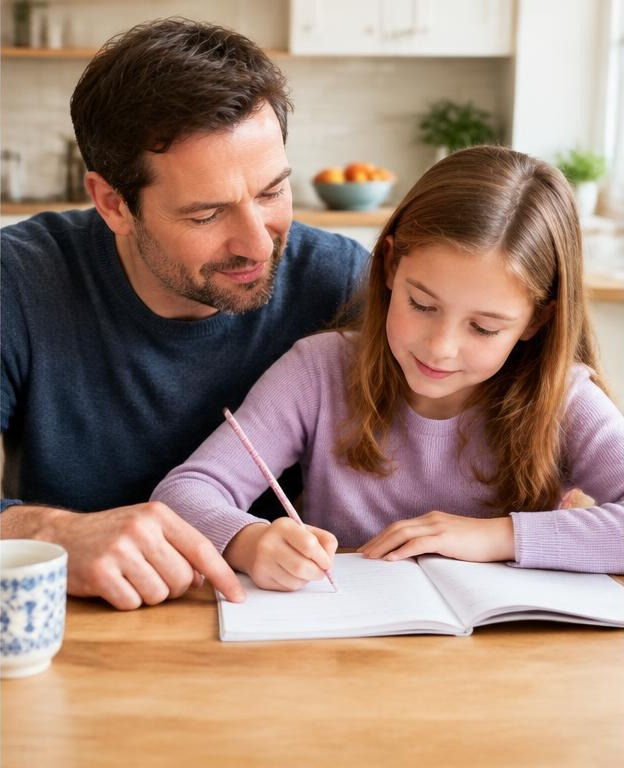
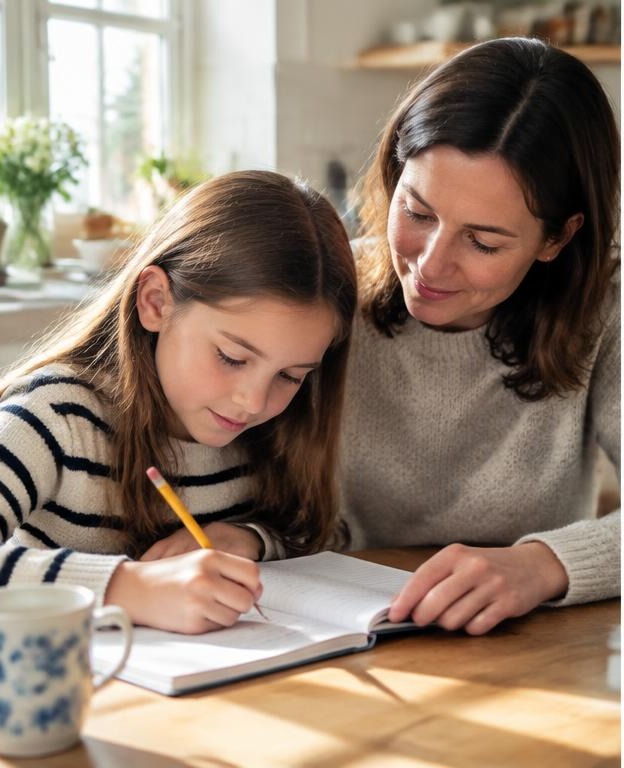
[SAMPLE TEXT] The blank page asks a child to do several things at once: invent an idea, organise it, choose words and form sentences. Before asking for a finished piece, make room for conversation. A spoken story can reveal ideas that were hiding behind the pencil.
[SAMPLE TEXT] Ask your child who their writing is for and what they want that reader to know. A message for a friend sounds different from a description of a mysterious forest. Having a purpose makes decisions about vocabulary and structure less abstract.
[SAMPLE TEXT] Before a good sentence comes a thought worth sharing.— Liz
Build a useful first draft
[SAMPLE TEXT] Use a small plan rather than a crowded worksheet. Three quick notes can be enough for a beginning, a problem and an ending. For factual writing, try three questions the reader might ask. Let the plan guide the draft without demanding perfect sentences.
Borrow a sentence starter
[SAMPLE TEXT] Offer an opening such as, “Just as I reached the gate…” and invite your child to continue it aloud. Write down their favourite version, then let them add the next sentence. A starter is a stepping stone, not a sentence they must keep forever.
Choose one thing to improve
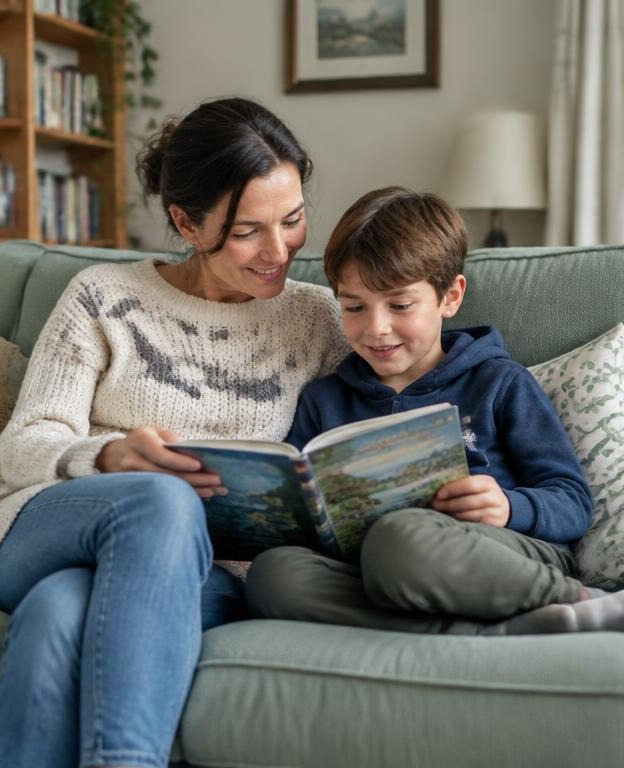
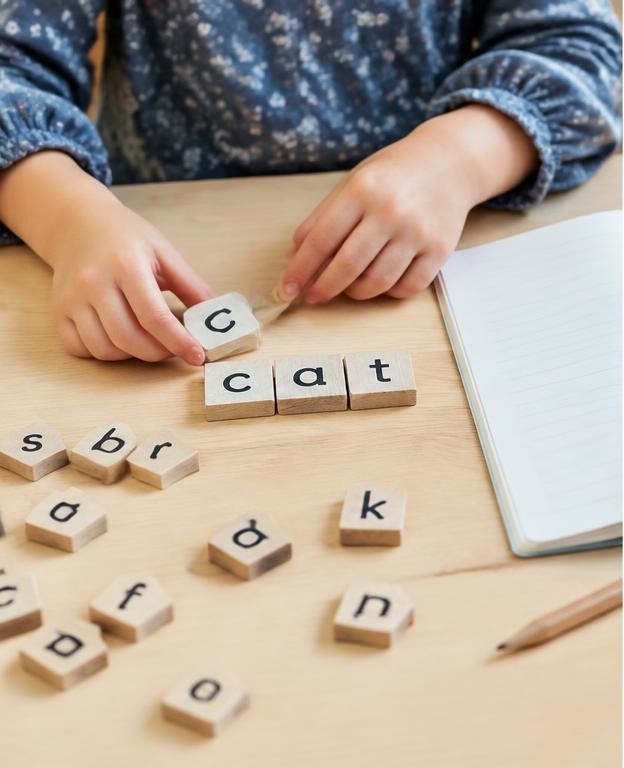
[SAMPLE TEXT] Read the draft aloud together. Sometimes a missing word or an awkward sentence is easier to hear than to see. Choose one improvement, perhaps a clearer verb or a full stop. Save other targets for another piece so revising does not feel endless.
[SAMPLE TEXT] Share the finished writing with an interested reader. A grandparent, sibling or family friend can respond to the idea itself before commenting on accuracy. Being understood is a powerful reminder that writing is communication, not simply a collection of marks.
Key takeaways
[SAMPLE TEXT]- Let your child rehearse ideas aloud.
- Plan with three simple notes.
- Revise one useful detail at a time.
Hi, I’m Liz.
[SAMPLE TEXT] I share practical ideas to help families make English learning a little calmer, more enjoyable and full of possibility.
Little lessons. Big possibilities.
Make room for English that fits your family. Take the next little step with Good Day English.