Start with a small win
[SAMPLE TEXT] Spelling can feel surprisingly personal to a child. A page of corrections may seem like a page of things they cannot do. Start by asking your child to choose one word they already know, then notice together what makes its spelling work.
[SAMPLE TEXT] Keep the next challenge small. Choose three useful words from a book or a piece of writing rather than a long, unrelated list. Say each word, break it into sounds, and talk about the part that needs remembering. Leave enough time for a successful finish.
[SAMPLE TEXT] Confidence grows when a child feels safe enough to have a go.— Liz
Make words memorable
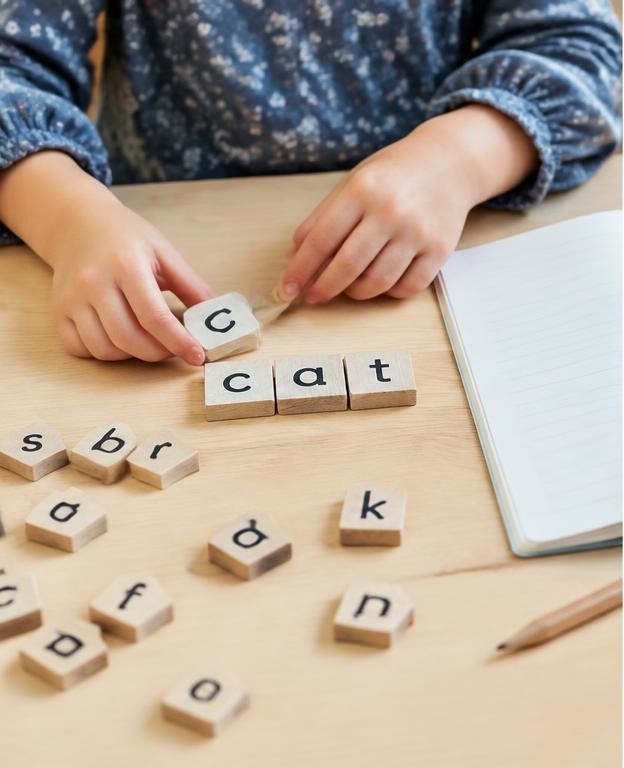
[SAMPLE TEXT] Look for patterns before reaching for repetition. Words such as light, night and bright share a helpful chunk. Your child might colour that chunk or build it with letter tiles. Connecting a new word to something familiar makes the task feel more manageable.
Try a five-minute word game
[SAMPLE TEXT] Turn practice into a short guessing game. Write a word, cover one part, and ask which letters are missing. Swap roles so your child can challenge you too. If an answer is wrong, uncover the word and investigate together without keeping a score.

Celebrate progress, not perfection
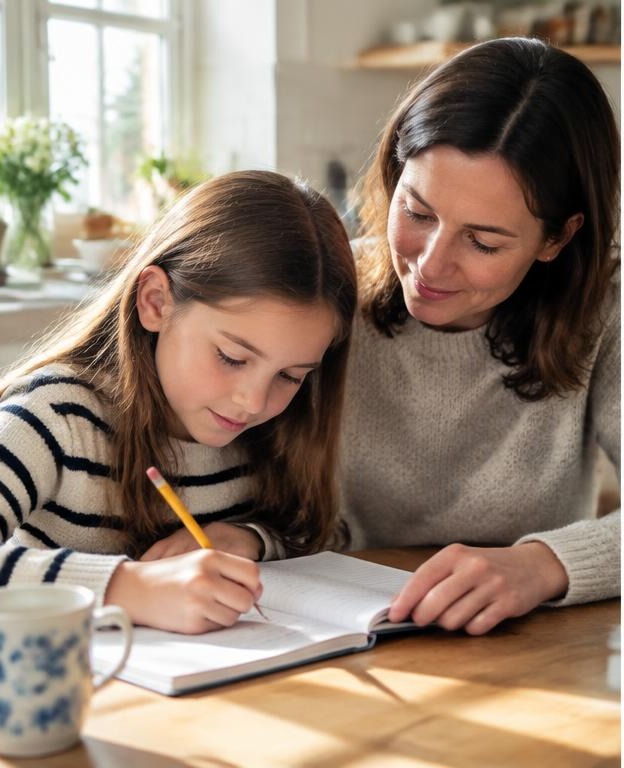
[SAMPLE TEXT] Use the words for a real purpose. A funny sentence, a shopping list or a note for someone at home offers a reason to remember them. Encourage your child to check one chosen word independently before you step in with a correction.
[SAMPLE TEXT] Finish by naming something specific that improved: a remembered pattern, a careful check or the courage to try. Confidence does not mean never making mistakes. It means knowing that mistakes can be explored and that another small step is possible tomorrow.
Key takeaways
[SAMPLE TEXT]- Practise three useful words at a time.
- Notice shared letter patterns.
- Praise checking and effort, not just correct answers.
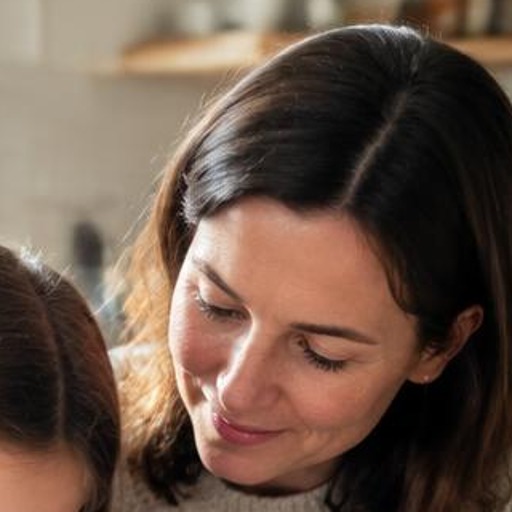
Hi, I’m Liz.
[SAMPLE TEXT] I share practical ideas to help families make English learning a little calmer, more enjoyable and full of possibility.
Little lessons. Big possibilities.
Make room for English that fits your family. Take the next little step with Good Day English.