Start with the life you have
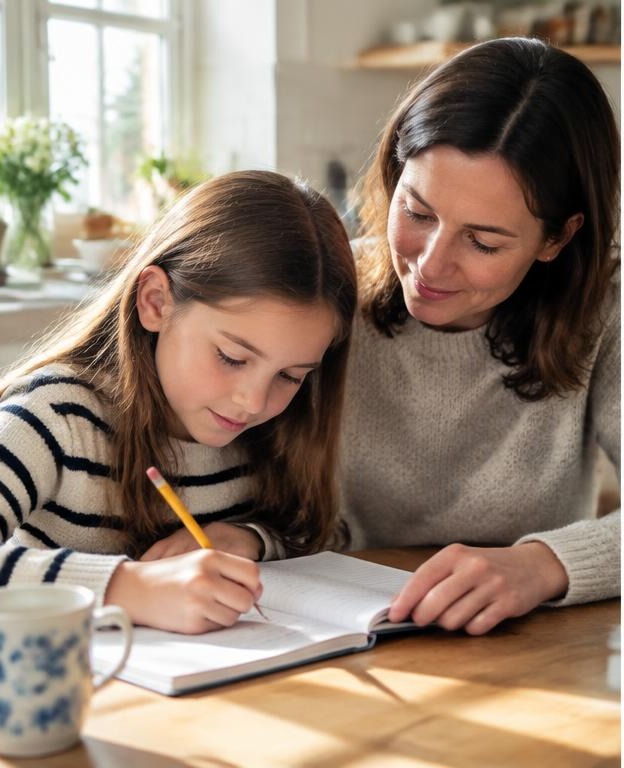
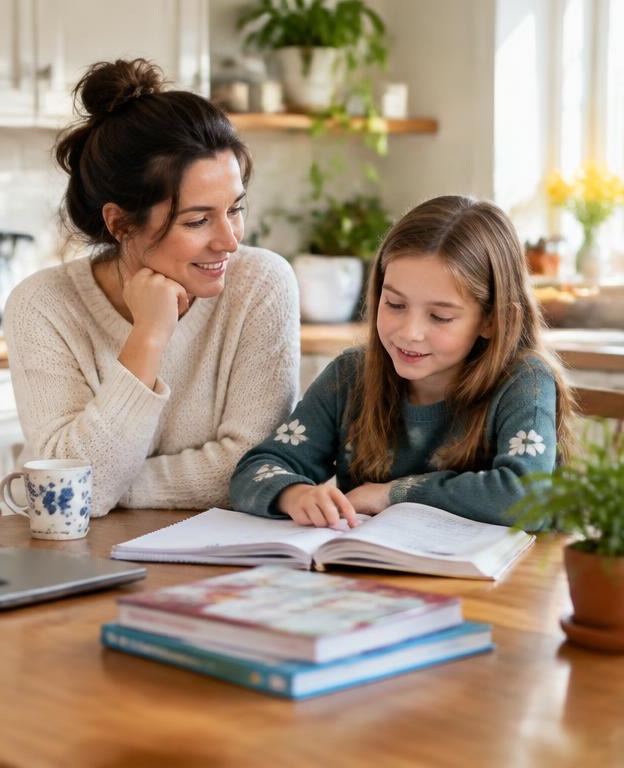
[SAMPLE TEXT] Home learning does not need to look like a classroom to be thoughtful. Your home already contains conversations, instructions, stories and reasons to write. Start by noticing these opportunities rather than trying to reproduce a school timetable at the kitchen table.
[SAMPLE TEXT] Reading a recipe involves following a sequence and checking details. Comparing two books invites opinions supported by examples. A letter to a relative gives writing a genuine audience. Everyday activities become useful learning when you pause to name and practise the skill involved.
[SAMPLE TEXT] Your home can be a place to learn without becoming a classroom.— Liz
Make learning purposeful
[SAMPLE TEXT] A relaxed approach can still have a clear direction. Choose a skill you want to develop this week, such as explaining an opinion or punctuating sentences. Look for two or three natural opportunities to practise it instead of changing the whole day around it.
Choose one everyday project
[SAMPLE TEXT] Plan a small family guide to a favourite local place. Your child can read information, choose helpful facts and write a short recommendation. Talk about what a visitor needs to know, then create something you can actually share or use.

Leave room for flexibility
[SAMPLE TEXT] Keep a few examples of your child’s work so you can look back together. A photograph of a project or a dated paragraph is enough. Comparing earlier and later work can make progress visible without turning every activity into a formal assessment.
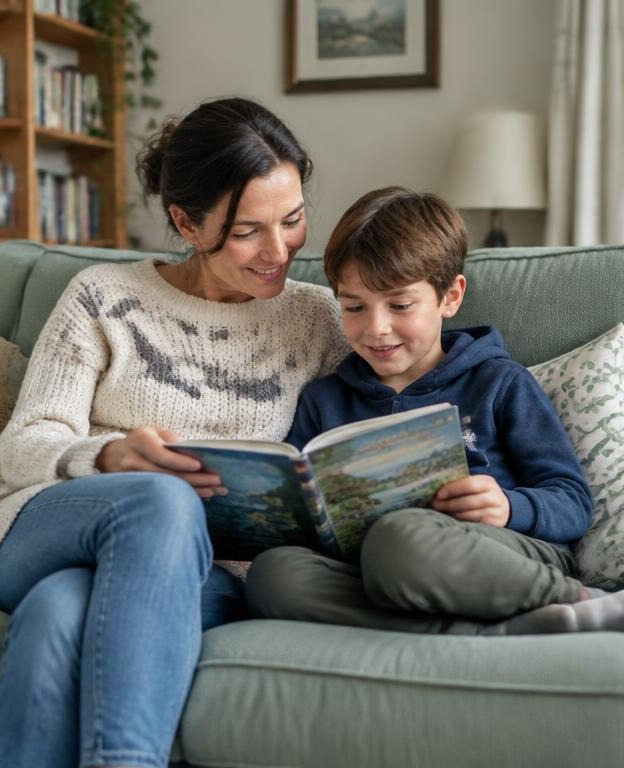
[SAMPLE TEXT] Some days will be better suited to focused work; others may call for a shared story and a conversation. Flexibility is not the absence of care. It is a way of responding to your child while continuing to offer meaningful chances to read, write and think.
Key takeaways
[SAMPLE TEXT]- Find English skills in everyday activities.
- Choose a clear weekly focus.
- Keep a few examples to notice progress.
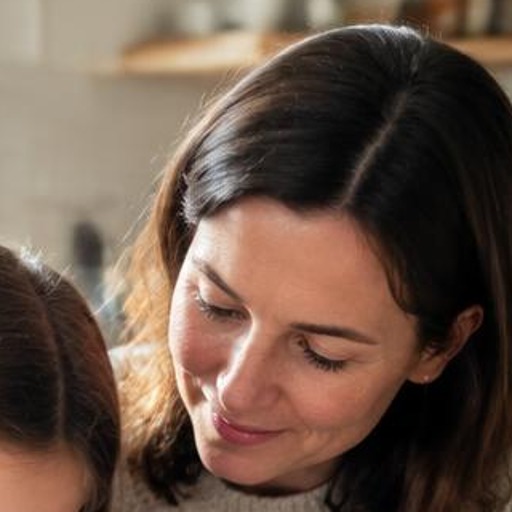
Hi, I’m Liz.
[SAMPLE TEXT] I share practical ideas to help families make English learning a little calmer, more enjoyable and full of possibility.
Little lessons. Big possibilities.
Make room for English that fits your family. Take the next little step with Good Day English.